
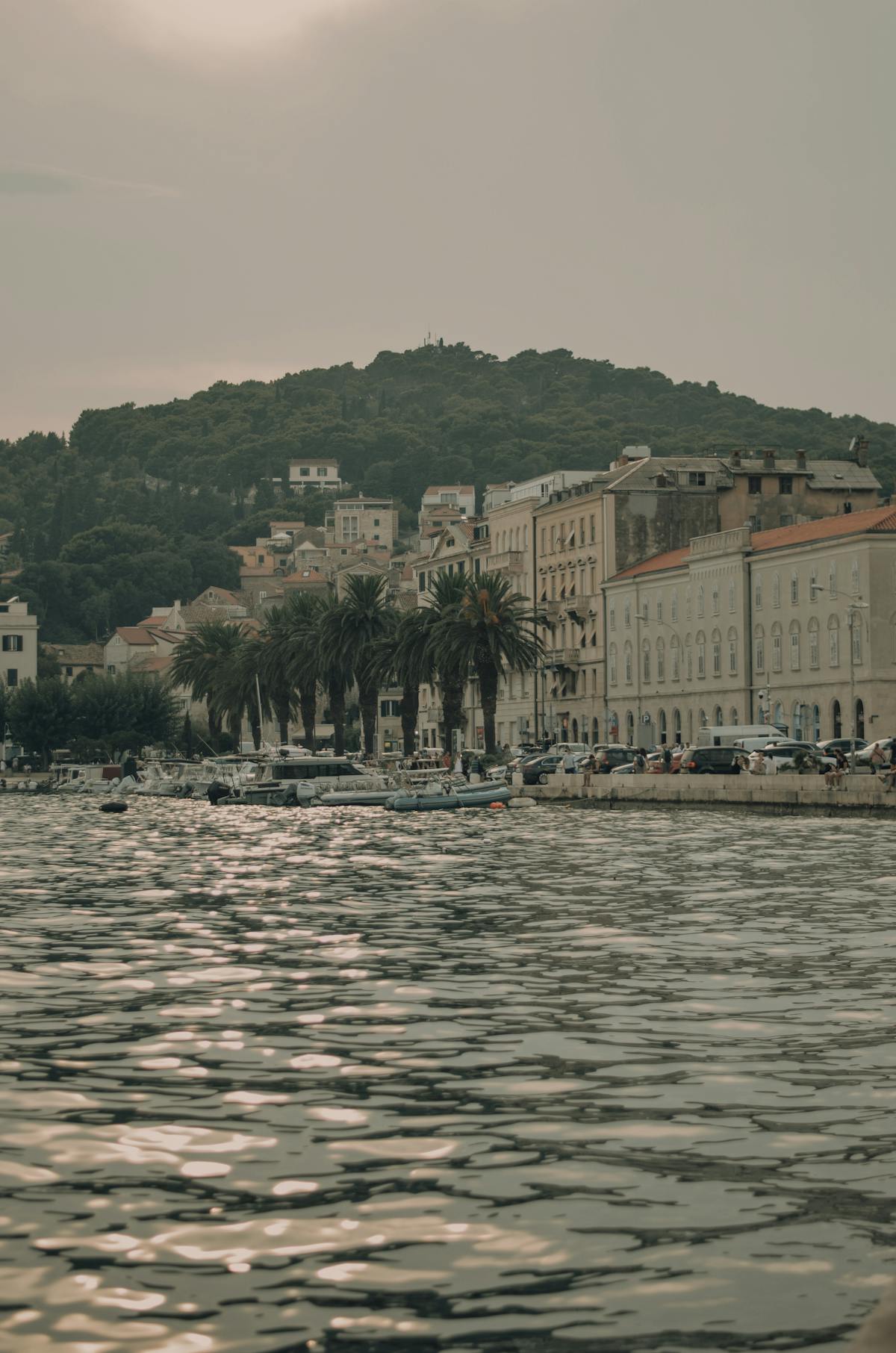
Croatia’s Dalmatian coast has become one of Europe’s hottest destinations in recent years, but many visitors never venture beyond the walled city of Dubrovnik or the bustling waterfront of Split. The real magic of this coastline lies offshore, scattered across more than a thousand islands that dot the Adriatic Sea. Among them, Hvar, Brač, and Korčula stand out as the perfect trio for an island-hopping adventure that combines glamour, nature, history, and some of the clearest water you’ll find anywhere in the Mediterranean.
Getting Started: The Logistics of Island Hopping
Split is the natural starting point for this island-hopping route, as it has excellent ferry connections to all three islands. Jadrolinija operates the main car ferries, while Krilo runs faster catamaran services that are perfect for foot passengers. In peak season (July-August), book catamaran tickets a few days in advance as they do sell out. A typical island-hopping itinerary gives you two to three nights on each island, though you could easily spend a week on any one of them.
The catamaran from Split to Hvar Town takes about an hour, Hvar to Korčula is roughly two hours, and Korčula back to Split is about two and a half hours. You can also connect between islands via smaller local ferries if you want more flexibility. Traveling light makes island hopping much more enjoyable, as you’ll be walking on and off boats and navigating cobblestone streets where wheeled luggage performs poorly.
Hvar: Lavender Fields and Cocktail Bars
Hvar has earned its reputation as Croatia’s most glamorous island, and the harbor in Hvar Town, lined with sleek yachts and buzzy cocktail bars, certainly lives up to that image. But there’s much more to this island than its nightlife. Hvar is the sunniest spot in Croatia, with over 2,700 hours of sunshine per year, and its interior is covered in lavender fields, olive groves, and vineyards that produce some of the country’s finest wines.
Climb up to the Fortica fortress above Hvar Town for sweeping views over the harbor and the scattered Pakleni Islands offshore. Then rent a small boat or join a tour to explore those islands, where hidden coves with turquoise water provide some of the best swimming in the Adriatic. Palmižana beach on St. Klement island is particularly lovely, backed by a pine forest with a bohemian restaurant that’s been serving fresh seafood for decades.
Beyond the town, drive or cycle to the village of Stari Grad on the island’s north coast, where the Stari Grad Plain has been continuously cultivated since the 4th century BC and is now a UNESCO World Heritage Site. The ancient stone walls that divide the agricultural plots have remained virtually unchanged for over 2,400 years.
Brač: The Beach and the Stone
A short ferry ride from Split or a transfer from Hvar brings you to Brač, the largest of the central Dalmatian islands. Brač is famous for two things: Zlatni Rat beach and its brilliant white stone, which was used to build the White House in Washington and Diocletian’s Palace in Split.
Zlatni Rat, near the town of Bol, is one of Europe’s most photographed beaches. This unusual horn-shaped spit of golden pebbles extends into the sea and shifts its shape with the wind and currents. It’s a spectacular spot for swimming and a world-class windsurfing destination, with the afternoon maestral wind providing reliable conditions from April through October.
Beyond the beach, Brač rewards exploration. The hilltop hermitage of Blaca, accessible only by a 45-minute hike from a mountain road, is a stunning 16th-century monastery built into a cliff face with an incongruous astronomical observatory attached. The village of Škrip, the oldest settlement on the island, has a fascinating museum housed in a former fortress that tells the story of the island’s stone-cutting heritage. And the mountain of Vidova Gora, at 778 meters the highest point of any Croatian island, offers a bird’s-eye view of Zlatni Rat and the surrounding coastline that is genuinely breathtaking.
Korčula: The Birthplace of Marco Polo
The most southerly of the three islands, Korčula is often described as a mini Dubrovnik, and the comparison isn’t unfair. The old town occupies a small peninsula, its medieval streets arranged in a distinctive herringbone pattern designed to reduce the impact of wind while maximizing airflow. The result is a beautifully walkable maze of stone buildings, churches, and hidden squares that feels like a film set.
Korčula proudly claims to be the birthplace of Marco Polo, and you can visit the supposed tower of his birth, now a small museum with rooftop views over the terracotta rooftops. Whether the famous explorer was actually born here is debated by historians, but the Korčulans are firm in their belief and it adds a charming layer to the town’s identity.
The island’s interior is covered in dense forests of Aleppo pine and olive trees, with excellent hiking and cycling trails connecting small villages where the pace of life hasn’t changed much in generations. The wine scene here is particularly notable, with the indigenous Grk grape variety producing a distinctive dry white wine that’s grown almost exclusively in the sandy vineyards of the Lumbarda region on the island’s eastern tip. A tasting at one of the small family wineries is a must.
Practical Tips for Your Croatian Island Hop
The best time for island hopping is June or September, when the weather is warm, the sea is swimmable, and the peak season crowds have thinned. July and August are beautiful but busy and expensive. Budget approximately 80-120 EUR per night for a good private apartment or small hotel during the shoulder season, with restaurant meals running 15-25 EUR for mains.
Each island has scooter and bicycle rentals available, which are the best way to explore beyond the main towns. Pack reef shoes for swimming, as most Croatian beaches are pebbly rather than sandy. And don’t skip the local konoba restaurants, family-run eateries serving grilled fish, peka (meat and vegetables slow-cooked under an iron bell), and local wines at prices far below the waterfront tourist restaurants.
Your Adriatic Adventure Awaits
Island hopping in Croatia is one of those travel experiences that feels effortlessly perfect. Each island offers something different: Hvar’s glamour and lavender-scented hills, Brač’s iconic beach and mountain views, Korčula’s medieval charm and hidden vineyards. String them together and you have the makings of an unforgettable Mediterranean holiday. The Adriatic is calling, and it’s time to answer.