
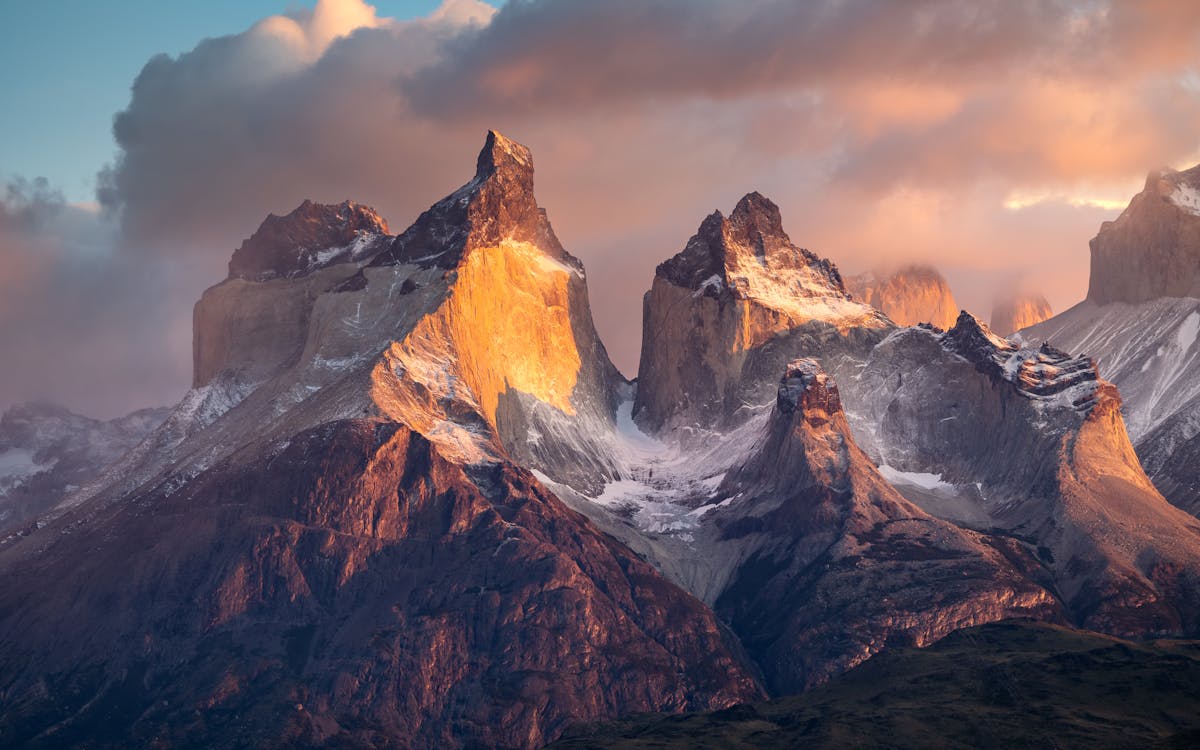
Patagonia is one of those rare destinations that genuinely lives up to the hype. Straddling the southern tip of both Argentina and Chile, this vast wilderness region is home to some of the most dramatic landscapes on Earth: towering granite spires, massive glaciers, turquoise lakes, and windswept grasslands that seem to stretch to the edge of the world. Planning a trip here requires some thought, as the distances are enormous and the weather notoriously unpredictable, but the rewards are absolutely extraordinary.
Understanding Patagonia: Argentine Side vs. Chilean Side
The first decision to make is which side of Patagonia to explore, or whether to combine both. Argentine Patagonia is home to Los Glaciares National Park, the famous Perito Moreno Glacier, and the trekking paradise of El Chaltén. Chilean Patagonia offers Torres del Paine National Park, widely considered one of the most beautiful national parks in the world, along with the lesser-known Carretera Austral route.
Many travelers try to visit both sides in a single trip, which is absolutely doable if you have at least two weeks. The border crossing between El Calafate (Argentina) and Puerto Natales (Chile) takes about five hours by bus and passes through some gorgeous steppe landscape. Just remember that you’ll need to clear customs at the border, so carry your passport and any required documentation.
Torres del Paine: The Crown Jewel
If you can only visit one place in Patagonia, make it Torres del Paine National Park in Chile. The park’s namesake towers, three dramatic granite pillars that rise over 2,500 meters, are among the most iconic images in adventure travel. But the towers are just the beginning. The park encompasses glaciers, emerald lakes, roaring waterfalls, and some of the best multi-day trekking routes in South America.
The famous W Trek takes four to five days and covers the park’s highlights, including the base of the towers, the French Valley, and the Grey Glacier. For a more immersive experience, the O Circuit adds three more days and takes you around the back of the Paine massif through truly remote wilderness. Both treks require advance booking for campsites and refugios, especially during the peak season from December through February.
El Chaltén: Argentina’s Trekking Capital
On the Argentine side, the small town of El Chaltén serves as the base for exploring the Fitz Roy massif, a cluster of impossibly jagged peaks that look like they were designed by a fantasy artist. The best part about trekking here is that, unlike Torres del Paine, the trails are free to access and don’t require permits or advance booking.
The most popular hike is the trail to Laguna de los Tres, a stunning glacial lake at the base of Mount Fitz Roy. It’s a full-day hike of about 25 kilometers round trip with significant elevation gain, but the payoff when you crest the final ridge and see the turquoise lake backed by Fitz Roy’s granite spires is genuinely one of the great moments in hiking. For a less strenuous option, the trail to Laguna Capri offers beautiful Fitz Roy views with only a fraction of the effort.
Perito Moreno Glacier: A Wall of Ice
About three hours south of El Chaltén, the town of El Calafate serves as the gateway to Perito Moreno Glacier, one of the few advancing glaciers in the world. The glacier is about 30 kilometers long and its face rises 70 meters above the surface of Lago Argentino, creating a wall of ice that is both beautiful and slightly terrifying.
The national park has extensive walkways and viewing platforms that bring you remarkably close to the glacier face. If you’re patient, you’ll witness chunks of ice calving off into the lake with thunderous crashes. For a more adventurous experience, you can book a “mini trekking” excursion that takes you by boat across the lake and then onto the glacier itself, where you’ll strap on crampons and walk across the ice for about 90 minutes. It’s an unforgettable experience that puts the glacier’s scale into perspective.
The Carretera Austral: Patagonia’s Epic Road Trip
For travelers who prefer four wheels to two feet, Chile’s Carretera Austral is one of the world’s great road trips. This 1,240-kilometer route winds through temperate rainforests, past hanging glaciers, along fjords, and through tiny frontier towns that feel frozen in time. The road was only completed in the 1980s, and much of it remains unpaved, adding to its adventurous character.
Key stops along the route include the marble caves of General Carrera Lake, accessible by boat from the town of Puerto Rio Tranquilo, and the stunning turquoise waters of the Baker River near Cochrane. Allow at least a week to drive the full route, and be prepared for unpredictable road conditions, especially after rain. A sturdy rental vehicle with good clearance is recommended, and you should always carry extra fuel as gas stations can be few and far between.
When to Go and What to Pack
Patagonian summer (December through February) offers the longest days and warmest temperatures, but also the biggest crowds and highest prices. The shoulder seasons of November and March can be excellent alternatives, with fewer visitors and often beautiful autumn colors in March. Winter (June through August) brings snow to the mountains and closes many trails, though it’s a magical time for those who don’t mind the cold.
Regardless of when you visit, pack for every type of weather. Patagonia is infamous for experiencing four seasons in a single day, and the wind can be genuinely fierce. Layers are essential: a good base layer, insulating mid-layer, waterproof outer shell, and a warm hat and gloves should all be in your pack even in summer. Broken-in hiking boots with ankle support are non-negotiable for any serious trekking.
Start Planning Your Patagonian Adventure
Patagonia demands more planning and travel time than many destinations, but it rewards that effort with experiences that will stay with you forever. Whether you’re standing at the base of the Torres, watching ice calve from Perito Moreno, or driving a lonely stretch of the Carretera Austral with mountains on every horizon, this is a place that reminds you why you fell in love with travel in the first place. Book your flights, lace up your boots, and let Patagonia do the rest.