
Building an airport in Cities: Skylines isn’t just about plopping down runways. It’s about creating a functional, traffic-efficient hub that actually makes money and moves cims. Most players screw this up, badly, and then wonder why their airport is a mess. Here’s how to do it right.
The Cardinal Sin: Poor Traffic Flow
This is where everyone fails. Your airport needs to move thousands of cims and tons of cargo without choking the entire city. Ignore traffic management here, and your investment turns into a monument to gridlock. Seriously, don’t skimp on infrastructure.
Dedicated Highway Access is Non-Negotiable
You absolutely need a direct, dedicated highway connection to your airport. Not a two-lane road connecting to a roundabout off a busy arterial. We’re talking multiple highway ramps, flowing smoothly into and out of the airport complex. Think about it: every taxi, bus, and private car needs to get in and out fast. Merge lanes are crucial. Use four-lane highways or even six-lane highways if your city is massive. Over-engineer this. It’s better to have too much capacity than none at all. Ensure these connections bypass local city traffic as much as possible. A dedicated tunnel or elevated highway directly to the airport entrance can save you countless headaches. Don’t build it close to a residential area either; the noise pollution will crater property values and make your cims miserable. This isn’t just about cars; service vehicles need clear paths too. Emergency services, garbage collection, and maintenance trucks all contribute to the traffic load. A congested airport means delayed services, which means a less efficient, less profitable airport. Prioritize smooth, uninterrupted flow from the city’s main transport arteries straight into the airport’s designated pick-up and drop-off zones.
Beyond Roads: Public Transit Integration
Highways handle cars. But a truly efficient airport needs robust public transit. Metro, monorail, and intercity train lines directly to your main terminal buildings are not optional. These options drastically reduce private vehicle traffic. Place transit hubs either inside or immediately adjacent to your terminal buildings. Make it easy for cims to switch between modes. If they have to walk half a kilometer to catch a bus, they’ll drive instead. The more cims you get onto public transit, the less pressure on your road network. Consider a dedicated airport bus line that circles the terminals and parking lots, connecting to the main transit hub. Think about the ‘last mile’ problem: how do cims get from the transit station to their gate? Design the layout so it’s a seamless experience. Even a blimp route can be effective for moving tourists directly to specific attractions if you have the Mass Transit DLC. The goal is to funnel as many passengers as possible off the road and onto higher-capacity public transport. This strategy isn’t just for efficiency; it also improves your airport’s attractiveness and profitability.
Cargo vs. Passenger Separation
Mixing cargo and passenger traffic is a rookie mistake. Cargo airports generate heavy truck traffic. Passenger airports generate cars, taxis, and buses. These traffic types don’t mix well. Build separate access roads for your cargo terminals, preferably leading directly to industrial zones and freight train hubs. Don’t let cargo trucks share the same entry points as your passenger vehicles. This separation is critical for maintaining fluid operations. A dedicated cargo highway, separate from the passenger highway, is ideal. Route these trucks away from city centers and residential areas to prevent additional congestion and noise complaints. If your cargo airport isn’t directly connected to your city’s industrial areas via efficient freight rail or dedicated truck routes, it’s just going to generate more internal city truck traffic, defeating the purpose. Keep them isolated. This reduces bottlenecks and improves the overall efficiency of both segments of your air travel infrastructure.
Airport Module Placement: It’s Not Random

- Terminal Proximity to Runways: Your terminals need to be close to your runways. Obvious, right? Yet some players spread everything out like it’s a rural airstrip. This creates longer taxi times for planes, reducing efficiency and capacity. Group your terminals and gates logically around your runways. Use taxiways effectively to minimize ground travel. A well-designed taxiway network prevents planes from waiting forever for a clear path. Think about parallel taxiways alongside runways for simultaneous takeoffs and landings, and dedicated rapid exit taxiways. This isn’t just aesthetic; it’s about throughput. The more planes you can get off and on the ground quickly, the more profitable your airport becomes. Don’t make planes queue up like cars at a drive-thru.
- Service Building Placement: Maintenance hangars, control towers, and service vehicle depots need to be accessible, but not obstructing valuable terminal or runway space. Place them along the edges of your airside area, with dedicated service roads. Don’t place them so far away that service vehicles take ages to reach planes. They need quick access for refueling, maintenance, and emergencies. Think about security too; keep these service areas contained and easily managed. A strategically placed fire station near the runways can be a lifesaver, literally. Also, consider placing police and medical services within the airport complex for quick response to incidents involving cims. These buildings are essential support, not just visual fillers.
- Decoration Bloat: You want a pretty airport. Fine. But don’t sacrifice functionality for aesthetics. Every tree, every park, every unnecessary plaza takes up space that could be used for expansion or efficient module placement. Focus on core functionality first. Once your airport is running smoothly and profitably, then you can add a few decorative elements. Too many decorations can also impact pathfinding for service vehicles or even cims if not carefully placed. Keep it lean and mean initially. You can always beautify later when you’ve got cash to burn. Prioritize clear sightlines for control towers and unhindered movement for all airport vehicles. A functional airport is a beautiful airport, regardless of how many fountains you’ve got.
Why Your Cargo Airport is Failing
Cargo airports are often misunderstood. People build them, and then complain they’re not making money or causing more traffic. It’s usually because you’ve missed critical connections or placed them poorly.
Is Your Cargo Airport Connected to Industrial Zones?
Your cargo airport is useless if it’s not directly and efficiently linked to your city’s industrial zones. Trucks need to get goods to and from the airport without traversing half the city. Dedicated cargo-only roads or, even better, freight rail connections are absolutely essential. If your industrial zones are across town, you’re creating unnecessary truck traffic and increasing transport costs for your simulated industries. The shorter and more direct the route between your factories and your cargo airport, the better. Consider placing your cargo airport strategically near a large industrial park from the outset, rather than trying to retrofit it into an existing city layout. This minimizes travel time and prevents road congestion. A well-placed cargo airport acts as an extension of your industrial network, not a disconnected entity.
Do You Have Sufficient Rail/Port Links?
Air cargo is just one part of the logistics chain. For optimal efficiency, your cargo airport needs to be integrated with your city’s wider freight network. This means freight rail terminals and possibly cargo harbors if your city has access to water. Trucks bring goods to the airport, but those goods often arrive or depart via train or ship. A cargo airport without strong freight rail or port links is an isolated bottleneck. Freight trains are particularly effective at moving large volumes of goods long distances without clogging roads. Place these hubs close to your cargo terminals. This allows for seamless transfer of goods from air to rail/ship and vice versa, minimizing truck usage within your city. Don’t rely solely on trucks; diversify your freight options. This increases your cargo airport’s capacity and reduces its impact on your road network.
Are You Using Too Many Cargo Hubs?
More is not always better. One or two well-placed, highly efficient cargo airport modules are often more effective than several spread-out, poorly connected ones. Each additional cargo hub adds complexity and can diffuse your freight traffic, making overall logistics less efficient. Focus on maximizing the throughput of a single, central cargo airport linked to all your major industrial areas and external connections. Instead of building a second cargo airport, upgrade and expand your existing one with more cargo terminals, better road access, and more freight rail lines. Consolidate your cargo operations. This minimizes the number of external connections trucks need to make and simplifies your city’s freight management. Don’t overdo it; a focused approach yields better results.
The Small Airport Trap: Don’t Underestimate Growth

Starting small with your airport is fine, but failing to plan for expansion is a death sentence. Always design with future growth in mind. You’ll need more terminals, more runways, and more gates than you think. Build with room to grow, or you’ll regret it when your city booms.
Essential Airport Service Buildings Compared
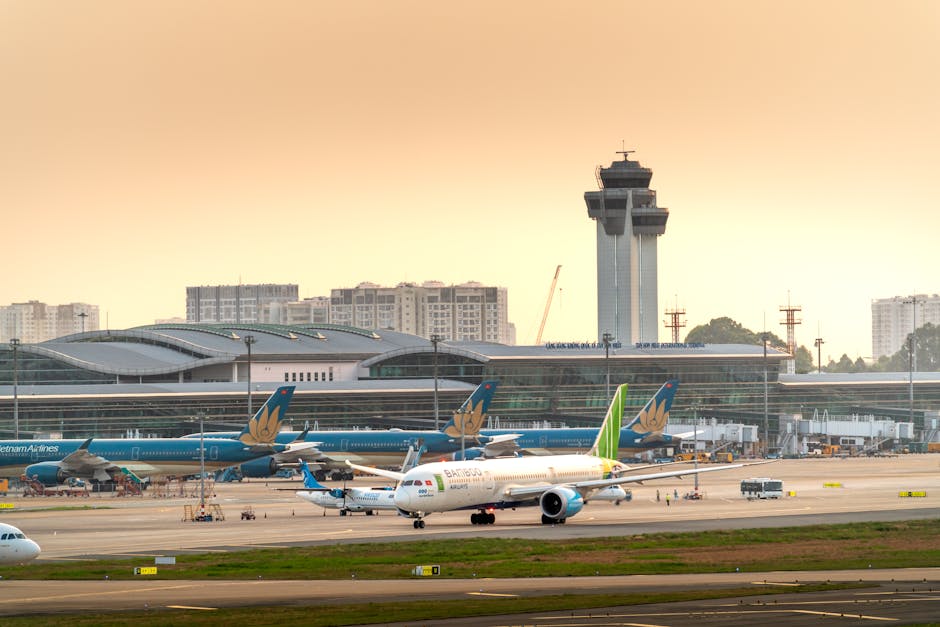
Service buildings are not optional; they are critical for airport functionality and safety. Don’t just throw them down. Understand what each one does and why it’s necessary.
Police and Fire Station Requirements
An airport is a complex, high-traffic area, requiring specialized emergency services. A dedicated police station and fire station within the airport complex itself are non-negotiable. City-wide services are too slow. Airport police maintain order, deal with security incidents, and manage traffic. Airport fire services are equipped for aircraft fires, which are different from building fires. Place these strategically to cover all terminals and runways efficiently. Rapid response times here are crucial for passenger safety and preventing major disruptions. Don’t rely on your city’s general emergency services; they will be overwhelmed and too distant for effective intervention. These are essential investments for any functional airport.
Maintenance Hangar Utility
Maintenance hangars are often overlooked. They increase the efficiency of your aircraft, leading to fewer delays and happier passengers. Without them, aircraft maintenance is simulated as less effective, potentially causing issues down the line. Place them conveniently near your runways and taxiways, but ensure they don’t block critical traffic paths. They’re part of the operational backbone, not just decorative elements. Their placement should allow service vehicles easy access to all gates and runways for quick turnaround times. This contributes directly to the airport’s overall operational flow and profitability by ensuring planes are ready when needed.
Control Tower Impact
The control tower isn’t just for show. It improves the efficiency of your runways, allowing more takeoffs and landings per hour. More towers can further enhance this, but diminishing returns apply. One or two well-placed towers are usually sufficient for even large airports. Position them for optimal line of sight over all runways and taxiways. Their presence directly impacts throughput and minimizes aircraft delays. This means more flights, more passengers, and more revenue. It’s a foundational piece of any effective airport operation.
| Service Building | Primary Function | Why It Matters | Placement Tip |
|---|---|---|---|
| Airport Police Station | Security, order, traffic enforcement | Essential for safety, rapid incident response, managing ground traffic flow. Prevents crime. | Within airport complex, central to terminals/parking. |
| Airport Fire Station | Aircraft fire & emergency response | Critical for aircraft safety; city services too slow for specialized incidents. | Close to runways and terminals for quick access. |
| Maintenance Hangar | Aircraft servicing & upkeep | Improves aircraft efficiency, reduces delays, ensures smooth operations. | Near taxiways/runways, accessible by service roads. |
| Control Tower | Air traffic management | Increases runway efficiency, allowing more takeoffs/landings per hour. | High visibility over all runways & taxiways. |
| Medical Clinic | Cim medical emergencies | Provides immediate care for cims within the airport; reduces load on city hospitals. | Within main terminal complex, easily accessible. |