
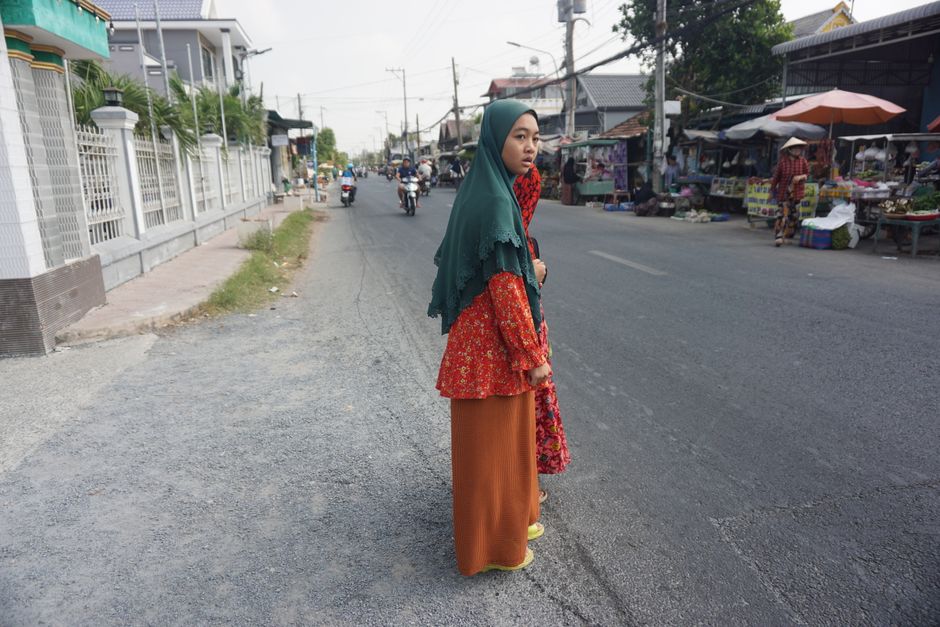
Here’s the thing most blogs won’t tell you: Southeast Asia isn’t dangerous for solo women. Your own bad decisions are. I’ve spent 18 months bouncing between hostels in Bangkok, homestays in Sapa, and beach huts in El Nido. The women who get into trouble aren’t unlucky. They ignored the three rules that separate a great trip from a nightmare. This guide gives you those rules, the real scams, and the gear that actually matters.
Stop Believing the “Dangerous Backpacker” Myth
The media loves a story about a solo woman vanishing in Thailand. Statistically, you are safer walking alone in Chiang Mai at midnight than in most US or European city centers after dark. Violent crime against tourists is rare. The real risks are petty theft, taxi overcharging, and drink spiking in tourist-trap bars.
Most incidents happen because a traveler ignored basic street smarts they’d use at home. You wouldn’t get blind drunk in a bar in downtown Chicago alone. Don’t do it on Khao San Road either. The difference? In Southeast Asia, the consequences escalate faster because you don’t speak the language and don’t know the local emergency number (it’s 1155 for tourist police in Thailand, by the way).
The biggest danger is traffic. Scooter accidents kill and maim more tourists than any crime. If you’ve never ridden a motorbike, do not learn in Bali traffic. Take Grab instead. It’s cheap, tracked, and you can share your ride live with a friend back home.
The 3 Non-Negotiable Safety Systems
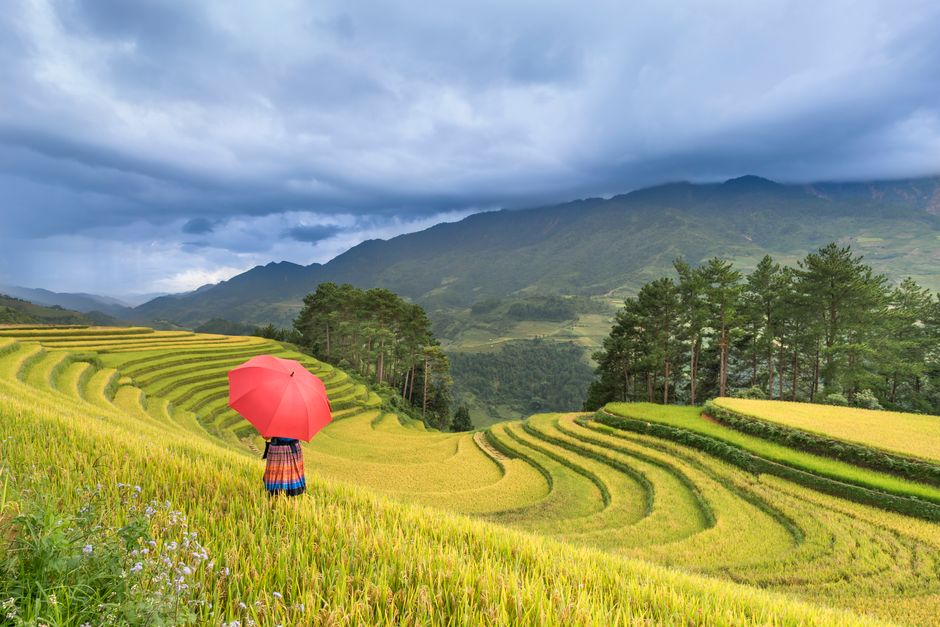
You need three things before you land. Not optional. Not “I’ll download it at the airport.”
1. A Real-Time Location Sharer
Grab and Gojek are the Uber equivalents in most of SEA. Both apps have a “Share My Ride” feature. Send that link to your mom, your best friend, or a WhatsApp group. They see your exact route, driver name, and license plate in real time. If the driver takes a wrong turn, your contact gets an alert. Use this every single time you get in a car or taxi. Cost: free. Risk of not using it: getting taken to a secondary destination and shaken down for cash.
2. A Digital Nomad Insurance Policy
Your regular health insurance probably covers nothing abroad. SafetyWing costs about $45 a month and covers medical evacuation, theft, and trip interruption. A simple scooter accident with a broken arm can cost $5,000 out of pocket in a Thai hospital. SafetyWing pays direct. Don’t skip this. The one time you need it, you’ll be glad you paid $45 instead of $5,000.
3. A Hostel with a 9+ Rating on Safety
Hostelworld has a specific “Safety” filter. Use it. Look for hostels with 24-hour reception, lockers big enough for your backpack, and female-only dorms. Read the reviews specifically mentioning “safe” and “clean”. A 9.2-rated hostel in Chiang Mai costs $8 a night. A 6.5-rated one costs $6. The $2 savings isn’t worth the risk of a broken locker or a creepy staff member.
Real Scams to Dodge in 2026
Scams evolve. Here are the ones hitting travelers right now.
| Scam | Where It Hits | How It Works | How to Avoid |
|---|---|---|---|
| Tuk-tuk overcharge | Bangkok, Siem Reap | Driver quotes 300 baht for a 2km trip. You pay 3x the real price. | Use Grab. Fixed price. No negotiation. |
| Gemstone scam | Bangkok, Chiang Mai | Friendly local offers to take you to a “government gem sale.” You buy fake stones for $500. | Never go anywhere with a stranger offering a “deal.” Walk away. |
| Friendship bracelet | Angkor Wat, temples | A kid ties a bracelet on your wrist, then demands payment. | Keep hands in pockets. Say “No thank you” firmly. Don’t engage. |
| Fake police checkpoint | Vietnam, Cambodia | Men in fake uniforms stop you, demand to see your passport, then ask for a “fine.” | Ask for their badge number. Real police don’t ask for cash on the street. |
The common thread: anyone who approaches you with a “special deal” or a “favor” is scamming you. Locals don’t do that. Genuine help is offered when you ask for it, not offered unsolicited.
Packing Light vs. Packing Smart
You need a 40L backpack. Not 60L. Not a suitcase. A 40L bag fits in overhead bins on AirAsia, on the back of a scooter, and in hostel lockers. Pack for 7 days. Do laundry. It costs $2 at any hostel.
Specifics that matter:
- Uniqlo Airism leggings ($20). Dry in 2 hours. Wear on planes, hikes, and temples. Don’t bring jeans. They take 24 hours to dry in humidity.
- A dry bag (Sea to Summit 8L, $25). Your phone, passport, and cash go in here on boat trips. Every island tour has a moment where your bag gets soaked. This prevents that panic.
- A portable lock (Master Lock 1500D, $12). Hostel lockers often have built-in locks that are easy to pick. Bring your own combination lock. Use it on your backpack zippers too.
- Antibacterial wipes. Not hand sanitizer. Wipes clean surfaces on planes, trains, and bus seats. Norovirus is real. Wipes prevent it.
Don’t bring a bulky DSLR. Your phone camera is good enough. A Moment lens ($100) clips onto your phone and gives you wide-angle shots. That’s all you need.
When NOT to Solo Travel SEA
This is the part most articles skip. Solo travel in Southeast Asia isn’t for everyone right now. Here’s when you should delay the trip.
If you have never traveled alone before, start with a week in a European city where you speak the language. SEA is a culture shock. The traffic, the noise, the heat, the constant negotiation. It’s overwhelming for a first-time solo traveler. You’ll hate it. Go to Lisbon or Barcelona first. Get comfortable being alone in public. Then come to Bangkok.
If you have a serious medical condition, do your research on hospital quality. Bangkok has world-class hospitals (Bumrungrad). Rural Laos does not. If you need daily medication, bring a 3-month supply plus a doctor’s note. Pharmacies in Thailand sell antibiotics without a prescription, but they may be counterfeit. Stick to branded pharmacies like Boots or Watsons.
If you are prone to anxiety or panic attacks, the constant sensory input in cities like Ho Chi Minh or Delhi can trigger them. Consider starting in a quieter destination like Luang Prabang (Laos) or Hoi An (Vietnam). Both are small, walkable, and have a slower pace. You can build confidence there before tackling Bangkok.
The One Thing Nobody Tells You About Solo Travel
You will feel lonely. Not all the time. But there will be an evening in a hostel common room where everyone else is in a group, and you’re eating instant noodles alone. That’s not a sign you made a mistake. That’s the experience. The trick is to have a plan for those moments.
Book a cooking class for the next morning. Join a free walking tour. Go to a rooftop bar and order one drink. Talk to the bartender. The loneliness passes in 30 minutes if you move. If you stay in your dorm scrolling Instagram, it lasts all night. Movement kills loneliness. I’ve never regretted forcing myself to go sit at a bar alone. I’ve regretted every night I stayed in bed reading Facebook.
Southeast Asia in 2026 is safer than ever for solo women. The scams are predictable. The risks are manageable. The real challenge is your own head. Get the insurance, download Grab, pack light, and when you feel that wave of loneliness hit, stand up and walk out the door. You’ll be fine. Better than fine. You’ll have the trip that changes how you see the world.