
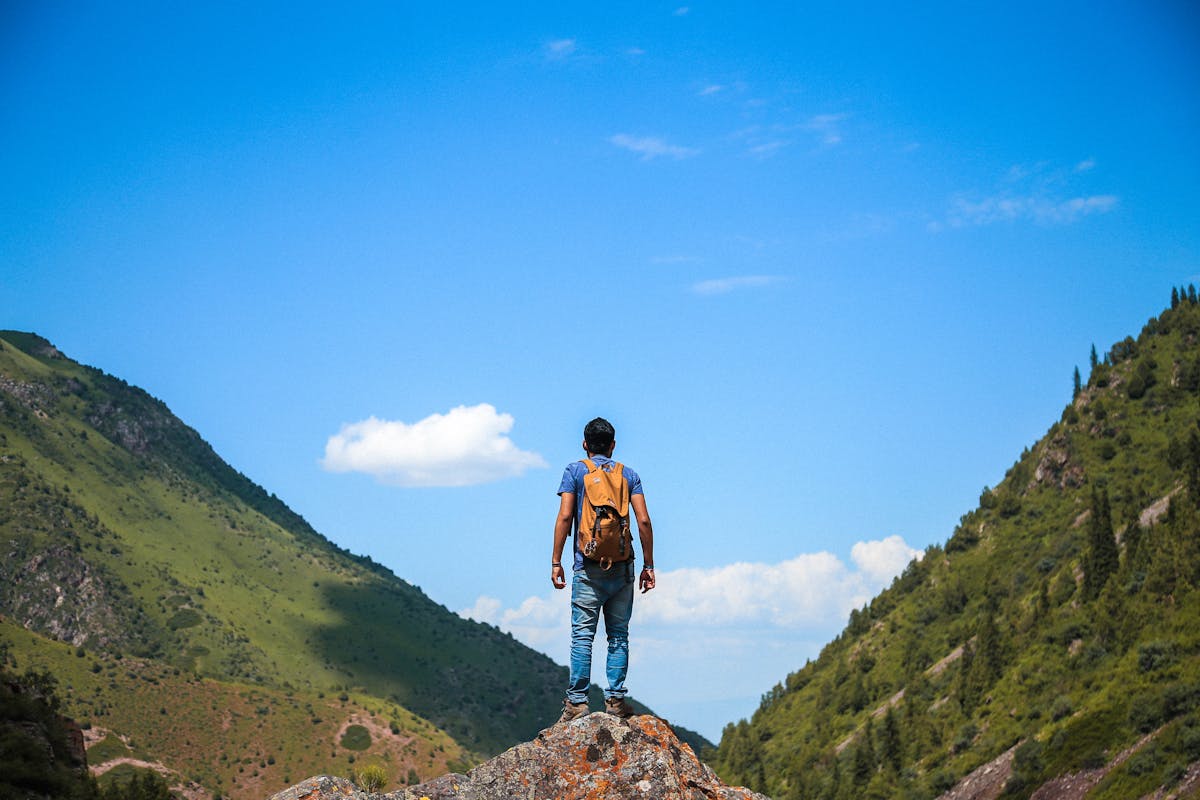
There’s a moment in every traveler’s life when they consider doing it alone. Maybe you’re tired of waiting for friends’ schedules to align, or perhaps you simply want the freedom to go wherever you want without compromise. Whatever your reason, solo travel is one of the most rewarding things you can do for yourself. It builds confidence, forces you out of your comfort zone, and introduces you to people and experiences you’d never encounter traveling in a group. If you’ve been thinking about taking the plunge, here’s everything you need to know to plan a first solo trip that’s safe, affordable, and unforgettable.
Choosing Your First Solo Destination
Your first solo trip isn’t the time to tackle the most challenging destination on your bucket list. Instead, pick somewhere that balances adventure with accessibility. Countries with well-developed tourist infrastructure, widespread English (or a language you speak), and a strong backpacker or solo travel culture make ideal first-time destinations.
Portugal, Japan, Thailand, New Zealand, and Colombia are consistently rated among the best countries for first-time solo travelers. They’re safe, easy to navigate, relatively affordable, and have friendly locals who are accustomed to meeting independent travelers. If you want to ease in gently, a city trip to a European capital like Lisbon, Barcelona, or Edinburgh is an excellent starting point where the travel logistics are straightforward and you can focus on enjoying the experience rather than stressing about getting around.
Consider the type of experience you want. Do you crave beaches and relaxation, or are you more drawn to cities and culture? Mountains and adventure, or food and nightlife? Aligning your destination with your interests ensures you’ll actually enjoy yourself rather than doing things because you feel you should.
Budgeting and Booking: The Financial Side
Solo travel can be more expensive per person than traveling with a partner, primarily because you can’t split accommodation costs. But there are ways to offset this. Hostels aren’t just for twenty-somethings; many modern hostels have private rooms that are cheaper than hotels while still offering social common areas where you can meet other travelers. Platforms like Hostelworld let you filter by rating and read reviews from other solo travelers.
For flights, use Google Flights or Skyscanner to compare prices, and be flexible with your dates if possible. Flying midweek and avoiding school holidays can save you hundreds. Budget between $40-80 per day for Western Europe, $20-40 for Southeast Asia, and $30-50 for Latin America as a comfortable baseline that covers accommodation, food, local transport, and activities.
Book your first night’s accommodation in advance so you have somewhere to go when you land, but leave the rest of your itinerary flexible. Over-scheduling kills the spontaneity that makes solo travel special. Having a rough plan with room to adjust is the sweet spot.
Safety: Being Smart Without Being Paranoid
Safety is the number one concern for first-time solo travelers, and it should be taken seriously without letting it paralyze you. The truth is that millions of people travel solo every year without incident, and most destinations are far safer than the news might have you believe.
Some practical safety habits to build: always share your itinerary with someone back home, whether that’s a friend, family member, or even a simple shared Google Doc with your rough plans. Keep digital copies of your passport, insurance documents, and credit cards in a secure cloud folder. Carry a money belt or hidden pouch for your passport and main cash supply, keeping only daily spending money in your regular wallet.
Trust your instincts. If a situation feels wrong, remove yourself from it. Avoid walking alone in unfamiliar areas late at night, and be cautious with alcohol, especially in the first few days when you’re still getting your bearings. Research your destination’s specific safety considerations before you go, but don’t let fear of the unknown stop you from having incredible experiences.
Meeting People: You’re Never Really Alone
The biggest misconception about solo travel is that it’s lonely. In reality, solo travelers tend to meet far more people than those traveling in pairs or groups, precisely because they’re approachable and motivated to connect. The hostel common room is the classic meeting ground, but there are plenty of other ways to find travel companions.
Free walking tours are available in almost every major city and attract a mix of solo travelers who often end up grabbing lunch or drinks together afterward. Cooking classes, group day tours, and volunteer experiences are all natural social environments. Apps like Meetup can connect you with local events, and many hostels organize pub crawls, group dinners, or day trips specifically designed to help guests meet each other.
That said, don’t feel pressure to be social every moment. One of the great luxuries of solo travel is the freedom to spend a day entirely on your own terms. Want to sit in a cafe for three hours reading a book? Do it. Feel like visiting a museum at your own pace without compromising? That’s your privilege. The balance between social time and solitude is entirely in your hands.
Packing Light: Less Is Genuinely More
When you’re carrying everything on your own back, every gram matters. Aim to fit everything into a single carry-on-sized backpack (40-45 liters) if possible. This eliminates checked baggage fees, makes transit between destinations seamless, and forces you to bring only what you actually need.
The essentials: versatile clothing that can be layered and mixed, a good pair of walking shoes that are already broken in, a quick-dry towel, a basic first-aid kit, any prescription medications (with copies of prescriptions), a portable charger, and a quality padlock for hostel lockers. Roll your clothes instead of folding to save space, and embrace the reality that you’ll be doing laundry on the road. Most destinations have cheap laundry services, and many accommodations have washing machines.
Embracing the Uncomfortable Moments
Here’s what nobody tells you about solo travel: there will be moments of loneliness, confusion, and self-doubt. You might eat dinner alone on your first night and feel awkward. You might get lost in a city where you don’t speak the language. You might lie awake in a hostel dorm at 2 AM wondering why you thought this was a good idea.
These moments are not failures. They’re the growing pains of becoming a more confident, capable, and self-reliant person. Every solo traveler experiences them, and every one of them will tell you that pushing through those uncomfortable moments led to the most meaningful experiences of their trip. The first time you navigate a foreign city on your own, solve an unexpected problem without help, or have a deep conversation with a stranger from the other side of the world, you’ll understand exactly why people become addicted to solo travel.
Take the First Step
The hardest part of solo travel isn’t navigating airports or reading foreign menus or sleeping in hostels. It’s making the decision to actually go. Every practical concern, every logistical question, every safety worry has a solution. The only thing standing between you and an incredible solo adventure is the choice to book that first flight. So stop waiting for the perfect moment, the perfect travel buddy, or the perfect amount in your savings account. Pick a destination, set a date, and go. Your future self will thank you for it.