
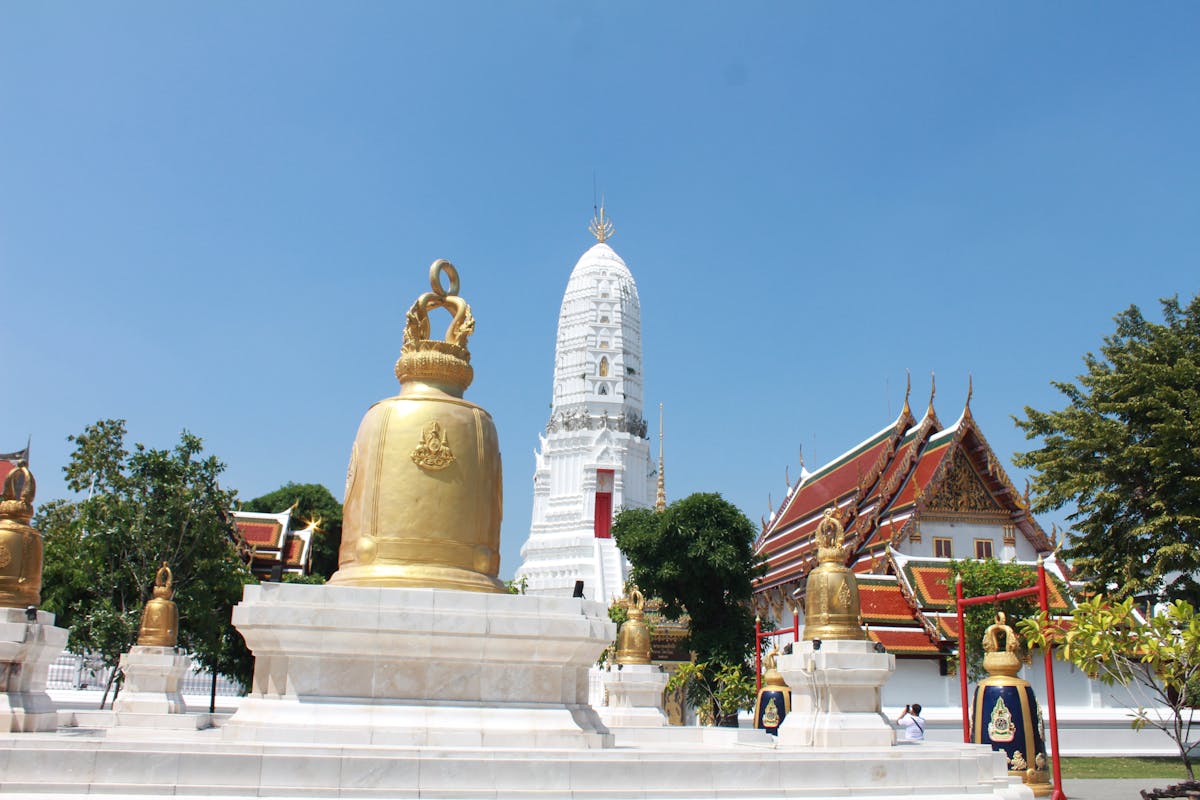
Southeast Asia has long been the holy grail for budget travelers, and for good reason. Where else can you eat a world-class meal for two dollars, sleep in a comfortable guesthouse for ten, and take a scenic boat ride for the price of a coffee back home? But even in this famously affordable region, costs can creep up if you don’t know the tricks of the trade. Here’s your comprehensive guide to stretching your budget further while still having an incredible time exploring Thailand, Vietnam, Cambodia, Laos, Indonesia, and beyond.
Choosing the Right Countries for Your Budget
Not all Southeast Asian countries cost the same. Cambodia, Laos, and Vietnam remain the cheapest destinations in the region, where a comfortable daily budget of $25-35 USD is entirely realistic. Indonesia and the Philippines fall in the middle range at $30-45 per day, while Thailand and Malaysia sit slightly higher at $35-50 for a comfortable budget experience. Singapore is the outlier, with costs more comparable to Western cities.
If you’re on a really tight budget, consider spending more of your time in the cheaper countries and using the pricier ones as shorter stopovers. A month in Vietnam and Cambodia will cost roughly the same as two weeks in Thailand, and arguably offers even more diverse experiences. That said, every country in the region offers incredible value compared to Western destinations, so don’t skip somewhere just because it costs a few dollars more per day.
Accommodation: Where to Sleep Without Breaking the Bank
The accommodation landscape in Southeast Asia has evolved dramatically in recent years. Hostels remain the cheapest option, with dorm beds typically costing $4-10 depending on the country and location. But the rise of budget guesthouses and homestays on platforms like Booking.com and Agoda means you can often get a private room with air conditioning for $12-20 per night, which is well worth the upgrade if you value privacy and a good night’s sleep.
In Vietnam, consider “nha nghi” (local guesthouses) that aren’t always listed online but offer clean rooms for $8-12. In Indonesia, family-run “losmen” provide similar value. In Thailand, the guest house scene in places like Chiang Mai is legendary, with stylish options available for $15-25 that would cost five times as much in Europe. Wherever you stay, booking directly or walking in often gets you a better rate than online platforms, especially for longer stays.
Food: Eating Like a Local on Pennies
Street food is the cornerstone of budget travel in Southeast Asia, and it’s not just cheap, it’s often the best food available. In Thailand, a plate of pad thai from a street cart costs 40-60 baht (about $1.50), while a bowl of pho in Vietnam runs about 30,000-50,000 dong ($1.50-2.50). Cambodian street markets serve generous portions of lok lak or amok for $1-2, and Indonesian warungs dish out nasi goreng for less than a dollar.
The golden rule is to eat where the locals eat. If a street stall has a long line of local customers, the food is almost certainly both safe and delicious. Night markets are fantastic for variety and value, letting you sample multiple dishes in one sitting without spending more than a few dollars total. When you do want to sit down in a restaurant, look for places with menus in the local language (or at least not exclusively in English), as tourist-oriented restaurants typically charge two to three times more for similar food.
Transportation: Getting Around Affordably
Domestic flights have become remarkably cheap in Southeast Asia thanks to budget carriers like AirAsia, VietJet, and Lion Air. Booking a few weeks in advance can get you flights for $20-50 between major cities. However, overland travel is often more rewarding and even cheaper. Sleeper buses in Vietnam and Thailand are comfortable and cost $10-20 for overnight journeys that save you a night’s accommodation.
Trains are a wonderful way to see the countryside. Vietnam’s Reunification Express from Hanoi to Ho Chi Minh City is one of the world’s great rail journeys, and a sleeper berth costs around $35. In Thailand, the train from Bangkok to Chiang Mai offers stunning scenery for about $20 in a second-class sleeper. For shorter distances, grab bikes or scooters are ubiquitous and incredibly cheap. Renting a motorbike typically costs $5-8 per day, though make sure you have proper insurance and an international driving permit.
Money-Saving Strategies That Really Work
Timing your trip can save you a fortune. Shoulder seasons (April-May and September-October) offer significantly lower prices than the peak November-February period, and the weather is often still perfectly fine. Many hotels drop their rates by 30-50% during these periods.
Bargaining is expected in markets and for tuk-tuks but should be done respectfully. A good rule of thumb is to start at about 50-60% of the asking price and settle somewhere around 70%. However, don’t bargain for items that are already very cheap, as a few cents means much more to the vendor than to you.
Get off the main tourist trail. Popular destinations like Bali’s Kuta, Bangkok’s Khao San Road, and Siem Reap’s Pub Street are significantly more expensive than less touristed alternatives. Staying in Canggu instead of Seminyak, exploring Chiang Rai instead of only Chiang Mai, or venturing to Kampot in Cambodia instead of staying in Siem Reap will save you money while offering richer cultural experiences.
Staying Connected and Managing Money
Local SIM cards are cheap and widely available throughout the region. Expect to pay $3-8 for a prepaid SIM with plenty of data. This is far cheaper than international roaming and gives you access to maps, translation apps, and ride-hailing services like Grab, which can save you from overpriced tuk-tuk rides.
For managing money, carry a travel-friendly debit card that doesn’t charge foreign transaction fees, such as Wise or Revolut. ATM fees in Southeast Asia can be frustrating, especially in Thailand where machines charge 220 baht ($6) per withdrawal regardless of your card. To minimize these fees, withdraw larger amounts less frequently and carry some US dollars as emergency backup, as they’re accepted or easily exchangeable everywhere in the region.
Your Southeast Asian Adventure Awaits
Traveling Southeast Asia on a budget isn’t about sacrificing quality; it’s about making smarter choices that let you travel longer and deeper. By eating local food, choosing the right accommodation, traveling overland when possible, and venturing beyond the tourist hotspots, you can easily explore this incredible region for $30-40 per day while having experiences that rival any luxury trip. So stop overthinking the budget and start booking that flight. Southeast Asia is waiting, and your wallet will thank you.