

Ask 500 people on r/travel how to plan a European train trip and you’ll get 500 different itineraries. Most of the core advice, however, converges on the same fundamentals: choose the right ticket type for your specific route, book high-speed trains well in advance, and build in more buffer time than you think you need. Here’s what holds up on closer examination — and where the crowd wisdom breaks down.
Eurail Pass vs. Point-to-Point Tickets: The Numbers Don’t Lie
The single most debated question on every European train travel thread is whether to buy a Eurail Global Pass or purchase individual tickets as needed. Reddit users are divided roughly 60/40 in favor of point-to-point for most trips — and for trips under 10 days with a fixed itinerary, that majority is typically right.
Here’s the key variable most newcomers miss: Eurail Passes don’t cover the full ticket price on high-speed trains. On Italy’s Trenitalia network, on France’s TGV services, and on Spain’s Renfe AVE trains, pass holders still pay mandatory seat reservation fees ranging from €3 to €15 per leg. Those add up fast on a multi-country trip.
| Ticket Type | Best For | 2026 Starting Price | Key Limitation |
|---|---|---|---|
| Eurail Global Pass (4 days/1 month) | Flexible itinerary, multiple countries | From €185 (adult, 2nd class) | Extra reservation fees on fast trains |
| Eurail Global Pass (15 days continuous) | Heavy travel, 6+ countries | From €385 (adult, 2nd class) | Tempts over-scheduling; exhausting pace |
| Point-to-point (e.g., Paris to Amsterdam) | Fixed route, booked 2+ months out | From €29 on Eurostar advance fare | No flexibility; cheap fares are non-refundable |
| Country-specific pass (e.g., German Rail Pass) | Deep dive in one country | From €149 (3 days/1 month) | Doesn’t cover neighboring countries |
| FlixTrain individual tickets | Budget travelers, slower pace | From €19.99 per leg | Limited routes; not a premium experience |
When the Eurail Pass actually saves money
Travelers who typically benefit most from a Eurail Global Pass are those who decide destinations on the fly, plan to ride overnight trains (the pass covers ÖBB Nightjet services, though private cabin upgrades cost extra), or intend to cross six or more countries in three weeks. Reddit users on r/solotravel generally agree: if you’re booking more than eight separate legs across multiple borders and your dates are fluid, the pass math often works in your favor. If your itinerary is locked and you can book 90 days out, point-to-point almost always wins.
The booking platform question
Most experienced threads recommend Rail Europe and Omio for multi-country booking, with Rail Europe having the edge for complex cross-border itineraries. For single-country travel, booking direct — Trenitalia for Italy, SNCF for France, Deutsche Bahn for Germany, Renfe for Spain — typically surfaces cheaper advance fares that don’t appear on aggregators. The resource that comes up in virtually every serious planning thread: The Man in Seat 61 (seat61.com). It remains the most thorough independent guide to European rail and hasn’t been meaningfully matched by any commercial platform in the 20+ years it’s been running.
The Routes That Consistently Deliver
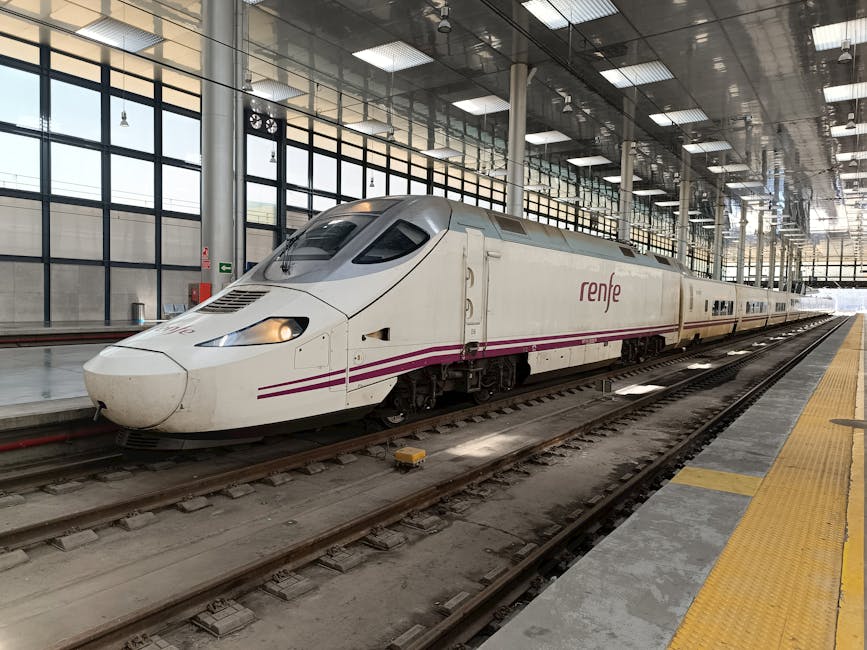
European rail covers tens of thousands of kilometers, but Reddit discussion clusters around a handful of corridors that deliver a disproportionate return on the time and money invested. These are not necessarily the fastest routes. They’re the ones where the journey itself justifies choosing the train over a plane.
The Glacier Express and Bernina Express (Switzerland)
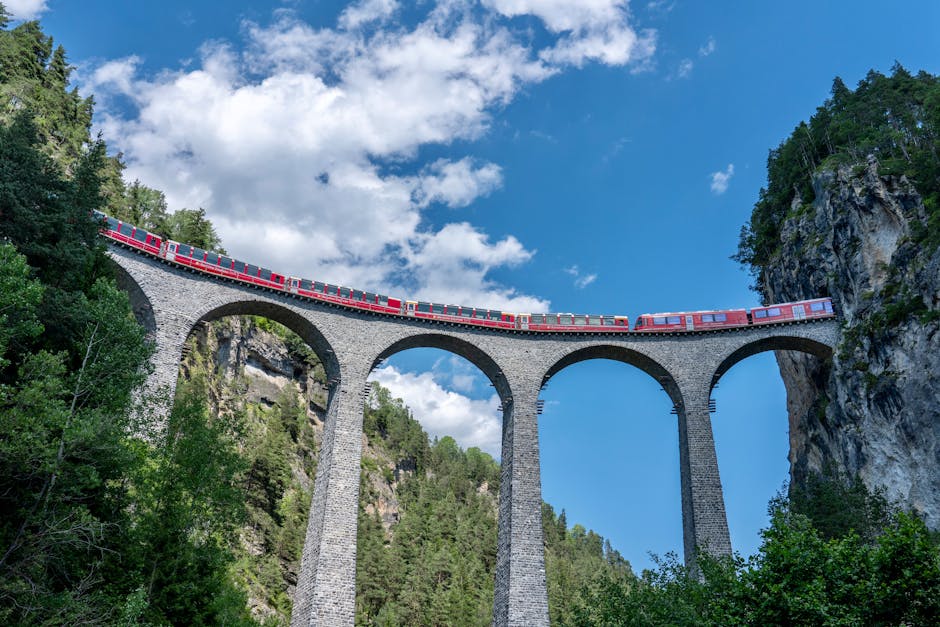
These two Swiss routes appear in more “best train journey” lists than any other European rail experience — and the community consensus holds up on close inspection. The Glacier Express runs from Zermatt to St. Moritz (approximately 8 hours), crossing 291 bridges and passing through 91 tunnels. A second-class seat costs around CHF 152 (approximately €160), not including the mandatory panoramic car supplement of CHF 33. The Bernina Express from Chur to Tirano is shorter (about 4 hours) and arguably more dramatic, traversing the UNESCO-listed Rhaetian Railway. Both require advance reservation; weekend summer seats typically sell out months ahead. Book directly through the SBB (Swiss Federal Railways) website rather than aggregators — they hold the full allocation.
The Eurostar corridor (London to Brussels to Amsterdam)
This is the backbone route for UK travelers entering the continent. Eurostar covers London St Pancras to Brussels in about 2 hours, with onward connections to Amsterdam taking roughly 1 hour 50 minutes via the service now rebranded as Eurostar International (formerly Thalys). Budget fares from London to Amsterdam start around £39 when booked 90-plus days out, though typical prices run £80 to £120. The Reddit consensus is consistent: for this specific corridor, the train beats flying once you account for airport transfer time and security queues on both ends. Door-to-door, the train is generally faster for city-center to city-center travel.
The Barcelona to Madrid to Seville triangle (Spain)
Spain’s Renfe AVE high-speed network is genuinely world-class and remains underappreciated by travelers who haven’t used it. Barcelona to Madrid runs in about 2 hours 30 minutes; Madrid to Seville in 2 hours 20 minutes. Advance fares on this triangle often undercut budget airline prices, with Barcelona-Madrid starting from €25 if booked 60-plus days ahead. This is one of the clearest cases where the train is faster, cheaper, and more comfortable than flying — provided you book early. Prices jump sharply within 30 days of travel, and around Spanish public holidays the jump is steeper still.
Overnight trains: the Nightjet revival
Austrian operator ÖBB’s Nightjet network has expanded substantially since 2026, now covering routes including Vienna to Paris, Amsterdam to Zurich, and Hamburg to Vienna. A couchette berth typically costs €39 to €79 booked in advance; a private sleeper runs €79 to €149 depending on route and season. The appeal is real: you save a night’s accommodation while covering significant distance. The practical caveat that appears repeatedly in threads — bring earplugs, don’t expect deep sleep on your first overnight train, and if you’re a light sleeper, book a private compartment rather than the couchette.
Your Itinerary Is Almost Certainly Too Ambitious
This is the most consistent warning across every European train travel thread, and it’s the one most first-timers ignore. Travelers routinely plan 10 cities in 14 days, then report they spent the entire trip in transit and barely scratched the surface of each destination.
The math looks fine on paper. A two-hour train ride seems like nothing. But factor in station arrivals, luggage handling, accommodation check-in, finding food, and basic orientation time, and a “quick” city hop eats most of a day. The typical recommendation for a two-week trip: five to seven cities maximum, with at least two nights in each.
Specifically, this means:
- Don’t book 6am trains to maximize “day use” of a destination — arriving exhausted at 8am costs more than it saves
- Build at least one full rest day per week into the schedule, with no trains, no museums, no agenda
- Leave your final destination flexible rather than booking a return flight from a city you haven’t confirmed you’ll reach on schedule
- Consider using a hub city — Paris, Vienna, Amsterdam, or Rome — and making day trips from it rather than relocating every night
- Avoid booking the cheapest non-refundable fares on every leg; paying 20% more for a flexible ticket gives you room to adjust when plans slip
Country-by-Country: What the Threads Actually Warn You About
Is Italy’s rail network as unreliable as people say?
Trenitalia’s Frecciarossa high-speed network — covering Rome to Florence to Milan, and Rome to Naples — runs reliably and on schedule the large majority of the time. The problems are concentrated on regional trains: the slower intercity services connecting smaller towns, where delays of 20 to 40 minutes are common enough that Reddit threads consistently advise building in padding for connections. Don’t book a regional train that arrives 20 minutes before an international departure. Aim for 90 minutes of buffer, at minimum.
Does France’s TGV live up to the reputation?
SNCF’s TGV is fast, punctual on major routes, and generally more comfortable than comparable short-haul flights. The catch: strikes. French rail strikes happen several times per year and are typically announced 48 to 72 hours in advance. Travel insurance covering transport disruption is worth buying for France-heavy itineraries. Also worth noting: TGV advance fares disappear early. The €29 Paris-Lyon fares that Reddit users celebrate are real, but they’re typically gone 90-plus days out on popular travel dates.
Is Deutsche Bahn as delayed as the memes suggest?
Somewhat, yes. Deutsche Bahn’s ICE trains have had documented punctuality issues, particularly on the Frankfurt-Cologne-Hamburg corridor. In 2026, Deutsche Bahn reported that only about 63% of long-distance trains arrived on time by their own definition. For travelers, the practical implication: allow 30 minutes between connecting ICE trains rather than the 8-minute minimum connection the booking system permits. Germany’s €86 billion rail infrastructure investment program running through 2027 should improve this over time, but the improvements are not yet consistent.
What about Eastern Europe?
Poland, Czech Republic, and Hungary offer solid connections between major cities, but journey times are longer and rolling stock older than in the west. Warsaw to Kraków takes about 2 hours 30 minutes on PKP Intercity’s Express InterCity Premium — comfortable and affordable from around €15 in advance. Prague to Budapest runs roughly 6 to 7 hours. These eastern legs are worth doing for the scenery and value, but they’re not as seamlessly integrated into Eurail Pass coverage, and booking platforms often show incomplete options. Book direct with national operators for eastern European legs.
A 14-Day Route That Rail Travelers Consistently Endorse
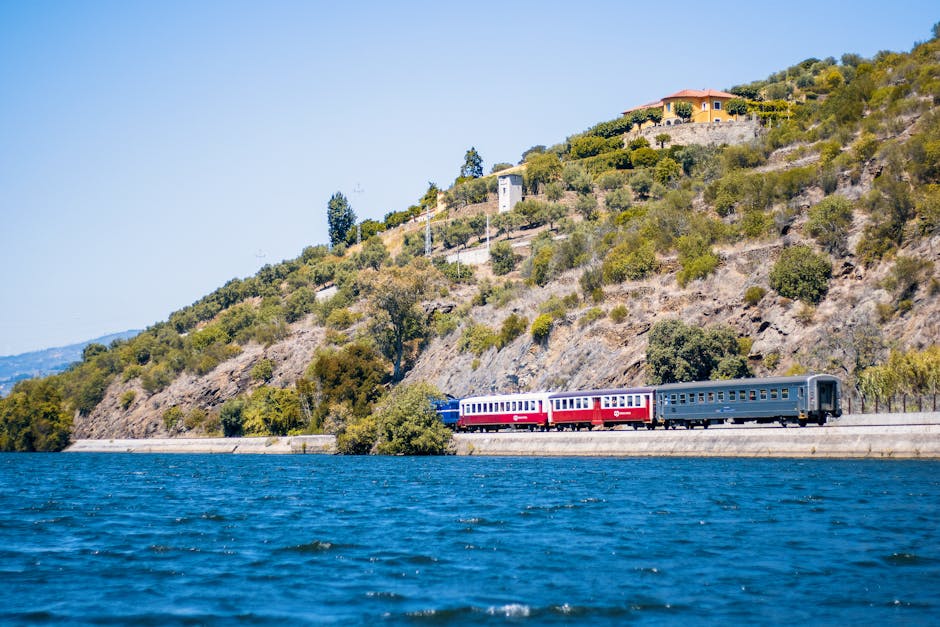
No single itinerary works for every traveler, but certain route combinations appear in trip report threads far more often than others — and typically for good reason. This structure covers the highest-value rail corridors without an exhausting pace.
- Days 1–3: London. Start here if flying in from outside Europe. Use the city to adjust to the time zone before hitting rails. Three nights, not two.
- Days 4–5: Paris. Eurostar from London St Pancras (2h15min). Two nights minimum — rushing Paris is a common mistake.
- Days 6–7: Amsterdam. Eurostar International from Paris Gare du Nord (3h20min). Use Amsterdam as a hub for a day trip to Bruges or Utrecht.
- Days 8–9: Cologne or Frankfurt. ICE from Amsterdam (2h45min to Cologne). Opens up Germany without overcommitting to a long German loop.
- Days 10–11: Zurich or Interlaken. Train connections from Frankfurt via Basel (3–4 hours). Switzerland is expensive, but the scenery justifies the stop if the budget allows.
- Days 12–14: Milan then Rome. SBB/Trenitalia from Zurich through the Gotthard Base Tunnel to Milan (3h30min), then Frecciarossa to Rome (2h55min). End here for straightforward international flight connections.
| Leg | Train / Operator | Journey Time | Advance Fare (2nd class) | Recommended Booking Window |
|---|---|---|---|---|
| London to Paris | Eurostar | 2h15min | From £39 / ~€45 | 90+ days ahead |
| Paris to Amsterdam | Eurostar International | 3h20min | From €29 | 90+ days ahead |
| Amsterdam to Cologne | ICE / Deutsche Bahn | 2h45min | From €19.90 | 3 months ahead |
| Frankfurt to Zurich | ICE / SBB | 3h00min | From €39 | 2–3 months ahead |
| Zurich to Milan | SBB / Trenitalia EC | 3h30min | From CHF 49 (~€52) | 2 months ahead |
| Milan to Rome | Trenitalia Frecciarossa | 2h55min | From €19 | 120 days ahead |
Total estimated transport cost for these six legs, booked well in advance: approximately €200 to €280 per person. That’s typically below the price of a Eurail Global Pass covering the same period — which is precisely why point-to-point booking dominates Reddit recommendations for fixed itineraries.
For this specific route, with firm travel dates and at least two months of lead time, book each leg directly with the operating carrier. You’ll generally get cheaper fares and clearer cancellation terms. If your dates aren’t set, the 4-day-in-1-month Eurail Global Pass at €185 buys flexibility — but set a firm booking target of no later than two weeks before each leg, or the best seats will be taken and the reservation fees will eat into your savings.