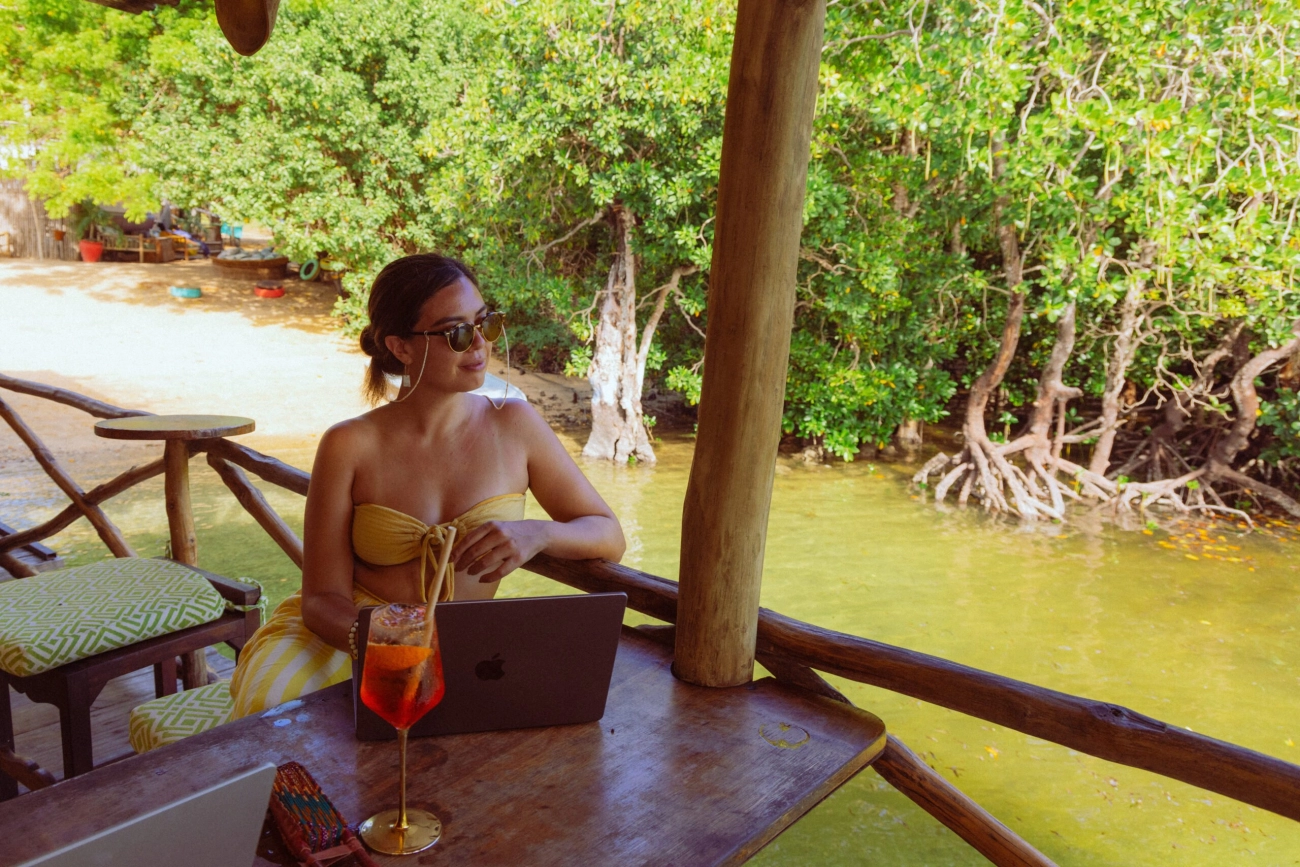
Starting your journey as a digital nomad can be exciting but also a bit overwhelming. The first step is getting your mindset right. Ask yourself: Am I ready to embrace uncertainty?Can I stay disciplined without a traditional office? Adopting a flexible and growth-oriented mindset is key to thriving in a location independent lifestyle.
Overcoming Common Myths and Fears
Many beginners worry about instability, loneliness, or lack of steady income. Let’s bust some myths:
Myth: You need tons of money to start.
Reality: You can begin small by saving, building emergency funds, and starting a side hustle.
Myth: Digital nomads work nonstop and have no life balance.
Reality: Setting boundaries and routines helps maintain work-life balance wherever you are.
Myth: Remote work means unreliable income.
Reality: With the right skills and strategies, securing a stable remote income is totally possible.
Building Financial Stability
Before making the leap, focus on financial preparedness:
Set clear savings goals — aim for 3 to 6 months of living expenses as an emergency fund.
Create a budget tailored to your expected travel costs and work needs.
Start building remote income streams gradually through freelancing or part-time roles to reduce risk.
Assessing and Developing Essential Skills
Remote work requires more than just a laptop. Evaluate where you stand with:
Communication skills (written and verbal)
Time management and self-discipline
Technical skills relevant to your target online job (e.g., digital marketing, coding, writing)
Boost these skills with online courses and practice before you go full-time.
Transition Strategies: Side Hustle to Full-Time Nomad
Jumping straight into full-time travel can be risky. Instead, try these steps:
Keep your current job while freelancing or working remotely part-time.
Test remote work habits with short “trial runs” in new locations.
Gradually increase your remote hours as your income and confidence grow.
Plan a clear exit strategy from your traditional job to avoid sudden financial gaps.
With the right foundations and mindset, you’ll set yourself up to successfully embrace the digital nomad lifestyle and enjoy true freedom to work from anywhere.
Securing a Reliable Remote Income
Getting a steady remote income is a must for anyone aiming to thrive as a digital nomad. For beginners, some of the top digital nomad jobs include virtual assistant roles, content writing, social media management, online tutoring, and customer support. These jobs often don’t require extensive experience but do need good communication and basic tech skills.
Freelancing Platforms and How to Get Started
Freelancing platforms like Upwork, Fiverr, and Freelancer are great places to find freelance opportunities and build your client base. Start by creating a clear profile highlighting your skills, then apply for projects that match your experience. Initially, focus on smaller gigs to build positive reviews and then expand into higher-paying work.
Finding Remote Employment with Established Companies
Besides freelancing, remote jobs with established companies provide more stability. Look for openings in customer service, marketing, tech support, and even project management.
Building an Online Portfolio and Personal Brand
Creating an online portfolio is crucial for showcasing your skills and past work. Use platforms like LinkedIn, Behance, or a personal website to display your projects and testimonials. A solid personal brand helps you stand out in a crowded market, especially when applying for remote work jobs or pitching freelance services.
Diversifying Income Streams for Long-Term Security
Relying on just one source of income can be risky. To ensure long-term financial security, consider diversifying your remote income streams. This could mean combining freelancing with affiliate marketing, running an online business, or creating content on platforms like YouTube or Patreon. Variety helps protect against market changes and keeps your cash flow steady.
By focusing on these areas, you can build a reliable and diverse remote income that supports your digital nomad lifestyle sustainably.
Essential Tools and Setup for Productivity
Setting yourself up with the right tools is crucial for staying productive as a digital nomad. First, invest in a reliable laptop that suits your work style—lightweight for travel, powerful enough for your tasks. Don’t forget accessories like noise-cancelling headphones, a portable mouse, and a high-quality laptop stand to keep your setup comfortable anywhere. Backup solutions like external hard drives or cloud storage ensure your work stays safe no matter where you are.
For apps and software, choose ones that keep your remote work organized and efficient. Popular options include project management tools like Trello or Asana, communication apps like Slack or Zoom, and cloud services such as Google Drive or Dropbox. Productivity tools for nomads help you balance work tasks while managing travel plans and time zones.
A stable internet connection is non-negotiable. Always have a backup plan like a portable Wi-Fi hotspot or a local SIM card with data. Also, prioritize cybersecurity by using VPNs and strong password managers to protect your information on public networks.
Lastly, create a mobile workspace routine. Find quiet spots in coworking spaces or cafés and set consistent work hours to maintain focus. Adjust your environment to avoid distractions and establish a pattern that keeps you productive while enjoying the flexibility to travel.
By setting up the right gear, apps, and routines, you can confidently manage your remote income streams and enjoy the location independent lifestyle to its fullest.
Planning Your Finances and Legal Essentials
Managing your money smartly is key to a successful location-independent lifestyle. Here’s a quick guide on budgeting, taxes, insurance, and visas to keep your digital nomad journey smooth.
Budgeting: Cost Breakdowns and Tracking Tools
Track your expenses closely to avoid surprises. Typical monthly costs can include:
Expense
Estimated Cost (USD)
Accommodation
$300 – $800
Food
$200 – $400
Internet & Phone
$40 – $100
Transportation
$100 – $300
Workspace (Coworking)
$50 – $200
Health Insurance
$100 – $300
Using apps like Mint, YNAB, or PocketGuard can help track spending and create budgets suited for travel.
Managing Taxes, Banking, and International Payments
Taxes: Your tax responsibilities depend on your home country and where you earn income. Consult a professional for advice to avoid double taxation.
Banking: Opt for global-friendly banks or digital banks offering low or no fees for international transactions.
Payments: Use tools like Wise or Payoneer for affordable international money transfers and currency exchange.
Health Insurance and Travel Coverage
Securing health insurance is non-negotiable. Look for:
Plans tailored for travelers and remote workers.
Coverage for emergencies, routine care, and medical evacuation.
Flexible policies that last for months, ideal for nomads hopping between countries.
Navigating Visas: Tourist Stays, Digital Nomad Visas, and Long-Term Options
Visa rules vary widely, so check each country’s regulations before traveling. Options include:
Tourist Visas: Usually short-term (30–90 days), suitable for trial trips.
Digital Nomad Visas: Available in countries like Portugal and Barbados, these allow longer stays while working remotely.
Long-Term Residency: Some destinations offer options to settle longer but require paperwork and proof of income.
For more on choosing your first digital nomad destination, check out top beginner-friendly hotspots with reliable internet and welcoming communities, such as those featured in the travel photo of Yapak Beach.
Organizing your finances and legal matters upfront lets you focus on building sustainable remote income streams without unexpected hurdles.
Choosing Destinations and Getting Started
Picking the right place to kick off your digital nomad journey is key. In 2026, some of the top beginner-friendly digital nomad hotspots include cities with reliable internet, affordable living costs, welcoming communities, and strong safety records. Consider places where coworking spaces and meetups help you connect with other remote workers. Popular global options often combine these elements, making it easier to settle in and work effectively while exploring new cultures.
When planning your first trip, keep your itinerary flexible and realistic. Start with a trial run—spend a few weeks in one location before committing long-term. This helps you get used to traveling while working and see firsthand how the lifestyle fits your needs. Break your time down for work, exploration, and rest to avoid burnout early on.
For accommodation, options vary widely. Hostels and coliving spaces are budget-friendly and great for meeting other nomads. If you prefer more stability, look for long-term rentals through trustworthy platforms or local listings. Keep in mind that some places offer digital nomad visas or extended tourist stays, which can simplify legal requirements and reduce stress.
If you’re considering a European route, exploring the best day trips from cities like Split can offer a refreshing break from work and enrich your experience living abroad. Similarly, destinations with strong community support and infrastructure will set you up for a sustainable and enjoyable location independent lifestyle from the start.
Thriving in the Lifestyle: Daily Life and Challenges
Living the location independent lifestyle as a digital nomad comes with unique ups and downs. Staying productive while traveling means setting a clear mobile workspace routine. Use productivity tools for nomads like time trackers, task managers, and noise-cancelling headphones to stay focused even in busy environments or coworking spaces.
Maintaining a healthy work-life balance can be tough when your office and vacation spots blur together. Set regular work hours, take breaks to explore, and switch off from screens to avoid burnout. Building community is key—join local meetups or online groups to combat loneliness, a common challenge for those who travel while working.
Health and wellness often take a hit on the road. Develop portable fitness routines like bodyweight exercises, yoga, or walking tours to stay active. Prioritize sleep and nutrition despite changing time zones and cuisines.
Watch out for common pitfalls such as unreliable internet, overworking, or ignoring local laws. Plan your days ahead, keep a backup internet option, and respect visa rules to avoid unexpected disruptions.
For inspiration on great places to balance work and travel, check out some of the best destinations for remote workers such as vibrant coworking hubs or peaceful retreats in Asia where you can find a supportive community and solid internet, like those showcased in this travel photo of Victoria Harbour.
With a thoughtful approach to daily life, you can not only survive but truly thrive as a digital nomad.
Long-Term Success and Sustainability
Scaling your digital nomad lifestyle takes time and intention. As you move from a beginner to a seasoned traveler, focus on building habits that support long-term success. This means refining your remote income streams, improving your productivity tools for nomads, and continuously learning new skills to stay competitive. Remember, the key to sustaining a location-independent lifestyle is balancing work and travel without burning out.
Burnout is common among digital nomads, especially when you’re juggling travel excitement with work commitments. Know when to pause, rest, or even settle in one place for a while to recharge. Taking breaks helps maintain your creativity and motivation.
Many experienced nomads share stories about the ups and downs of this lifestyle. A recurring lesson is the importance of community—finding coworking spaces or local meetups can prevent isolation and boost well-being. It also helps to stay flexible and open to change as the digital nomad world evolves.
Looking ahead, future trends in digital nomadism include better digital nomad visa programs, rising coworking hubs in emerging destinations, and new tech tools designed specifically for remote work. Embracing these trends will keep you ahead and ensure your nomad life stays sustainable and rewarding.
For inspiration and insights into vibrant communities and nomad-friendly spots, check out detailed guides like the ultimate guide to European destinations or practical tips from Asia’s best digital nomad cities. These resources offer valuable perspectives for long-term planning and growth in your nomad journey.
FAQ Section: Common Beginner Questions
Starting as a digital nomad can feel overwhelming, so here are answers to some common beginner questions to help you get rolling smoothly.
How much money do I need to start?
It varies depending on your destination and lifestyle, but having at least 3 to 6 months of living expenses saved is a good rule of thumb. This emergency fund gives you a cushion while you establish your remote income streams and adapt to the location independent lifestyle.
What are the best jobs without experience?
Entry-level remote work jobs include data entry, customer support, content writing, and virtual assistance. Freelance opportunities on platforms like Upwork or Fiverr are great for beginners to build skills and income gradually.
How do I find reliable remote income?
Start by exploring freelancing platforms, remote job boards, or applying directly to companies offering remote roles. Building an online portfolio and personal brand boosts your chances of landing steady work.
What’s important for staying productive on the road?
Using productivity tools tailored for digital nomads, setting a consistent mobile workspace routine, and finding coworking spaces or quiet spots can make all the difference.
Do I need a special visa to work abroad?
Some countries offer digital nomad visas that allow you to stay and work legally for extended periods. Research visa options based on your chosen nomad hotspots, like the ones featured in this guide to popular destinations.
How do I manage taxes and banking?
Taxes depend on your home country and where you earn income. Using digital nomad budget tools helps track expenses, while international banking solutions and tax consulting are smart moves to stay compliant.
Any tips for overcoming loneliness?
Engage with local communities and fellow remote workers through coworking spaces or social events. Building a support network is key to thriving in the digital nomad lifestyle.
Feeling stuck? Start simple, keep learning, and remember that the journey to becoming a successful digital nomad is a process, not a sprint.