
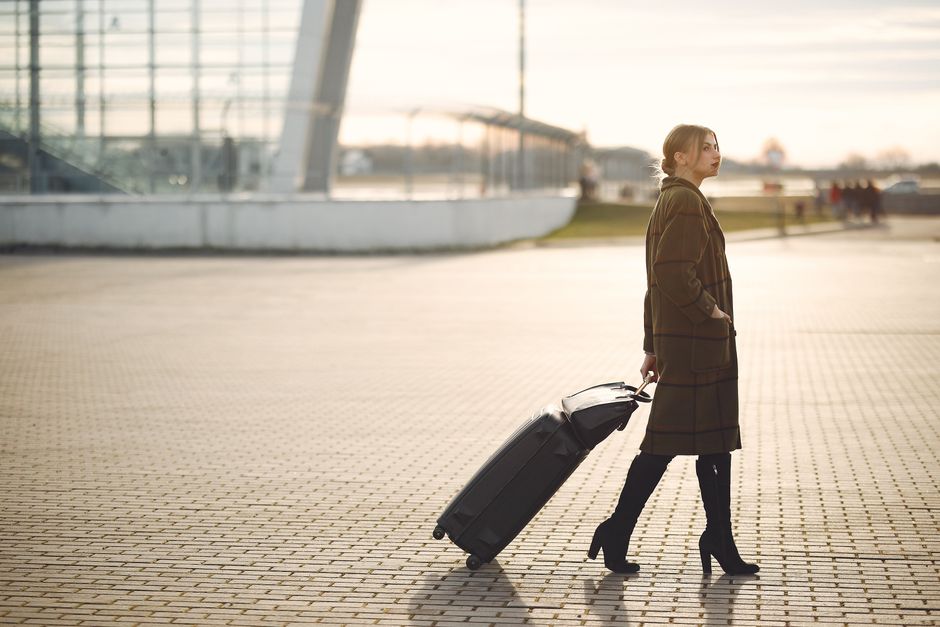
You land at Narita Airport, jet-lagged, clutching a pocket WiFi rental. Your phone buzzes: your hotel in Shinjuku says check-in is at 3 PM. It’s 9 AM. You have six hours, two heavy suitcases, and no plan. The taxi rank outside Terminal 1 shows a flat fare of ¥5,000 to central Tokyo. That’s about $35 for a 45-minute ride. You take it. That single decision just cost you more than a week’s worth of breakfasts at a convenience store.
This scenario plays out daily. The Japan travel industry relies on tourists making expensive first moves. The good news? You can avoid nearly every money trap and stress point with a few specific choices before you leave. Here are eight tips that actually work.
1. The Japan Rail Pass Is Overrated for Most Travelers — Here’s When to Skip It
The Japan Rail Pass is the classic recommendation. For ¥50,000 (7-day ordinary pass), you get unlimited rides on most JR trains, including the Shinkansen bullet trains. Sounds like a steal. But here’s the catch: you need to travel long-distance almost every day to break even.
Let’s look at the math. A one-way Tokyo to Kyoto Shinkansen ticket costs about ¥14,000. A round trip is ¥28,000. If you do Tokyo to Osaka (¥14,500 one way) and back, that’s ¥29,000. Add a side trip to Hiroshima (¥19,000 round trip from Osaka), and suddenly the pass pays off. But if your itinerary is Tokyo → Hakone → Tokyo → Kyoto → Tokyo, you might only spend ¥35,000 on individual tickets. The pass costs ¥50,000. You lose ¥15,000.
Failure mode: Buying a JR Pass without calculating your actual route. Use the Hyperdia app or Japan Travel by Navitime to price out each leg. Compare the total to the pass cost. If the pass isn’t cheaper, buy individual tickets instead. For regional trips, consider the Kansai Area Pass (¥3,600 for 2 days) or the Hakone Free Pass (¥6,100 for 2 days). These cover specific zones and cost a fraction of the national pass.
When the JR Pass Still Wins
If you’re doing a Tokyo → Osaka → Hiroshima → Tokyo loop in 7 days, the pass pays for itself. Also if you plan to ride the Shinkansen 3+ times in a week. Otherwise, skip it.
2. The Suica Card Is Your Single Best Travel Tool — Get One Immediately

Forget paper tickets. Forget fumbling for coins at every subway gate. The Suica card (or Pasmo, or Icoca — they’re all interchangeable) is a rechargeable IC card that works on virtually every train, bus, and subway in Japan. It also works at convenience stores, vending machines, and some restaurants.
Buy one at any JR East ticket machine. The deposit is ¥500, refundable when you return the card. Load it with ¥3,000 to start. You can recharge at any ticket machine or convenience store counter. The card works in Tokyo, Osaka, Kyoto, Sapporo, Fukuoka, and most other cities. No need to buy separate cards for each region.
Practical execution: Tap the card on the reader at the ticket gate. The fare is automatically deducted. When you exit, tap again. That’s it. No lines, no language barrier. The card also works on buses — just tap when you board (and sometimes when you exit, depending on the bus system).
One warning: The Suica card is not a discount card. It charges the standard fare. But the time saved and convenience factor make it worth every yen. If you’re on a tight budget, you can pre-load only what you need. But don’t skip it.
3. Convenience Stores Are Your Secret Weapon for Cheap, Good Food
Japan’s convenience stores — 7-Eleven, FamilyMart, Lawson — are not like the gas station mini-marts you know. They sell real food. Onigiri (rice balls) for ¥120-180. Sandwiches for ¥200-350. Hot fried chicken (karaage) for ¥150. Pre-made salads, noodle bowls, and even small sushi packs. A full meal costs ¥400-600. Compare that to a restaurant lunch, which runs ¥1,000-1,500.
Breakfast is the easiest win. Grab an onigiri, a bottle of green tea, and a banana. Total: ¥300. Most hotels charge ¥1,500 for a buffet breakfast. You save ¥1,200 per day. Over a 10-day trip, that’s ¥12,000 — about $80.
Tradeoff: Convenience store food is not gourmet. But it’s fresh, safe, and varied. For lunch on the go, it’s unbeatable. For dinner, splurge on a ramen shop or izakaya. Balance is key.
4. Avoid the Taxi Trap — Use Public Transit or Walk
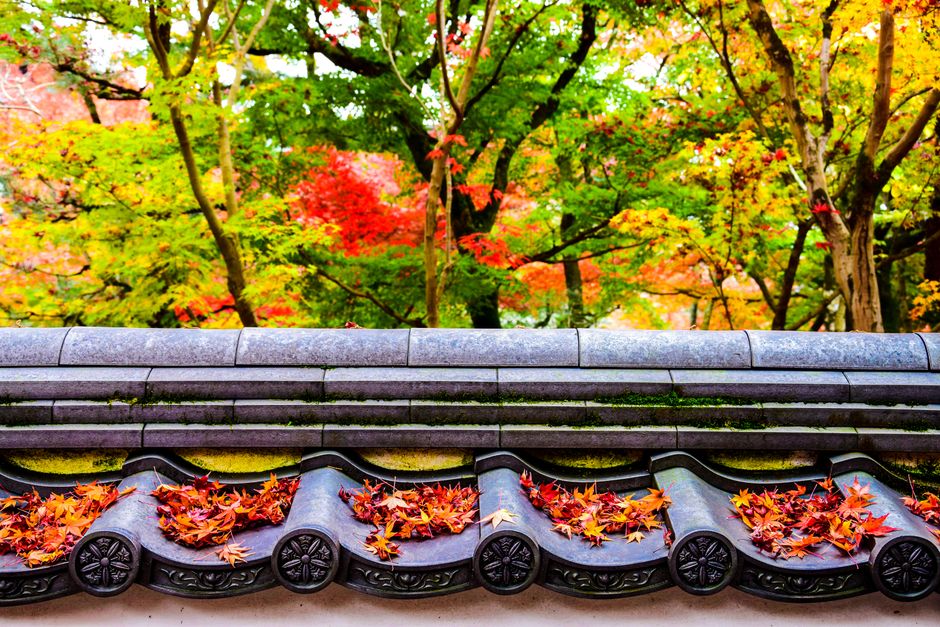
Tokyo taxis start at ¥420 for the first kilometer. A 15-minute ride easily costs ¥2,000-3,000. Over a week, that adds up fast. The subway or bus costs ¥200-300 per ride. Walking is free and often faster for distances under 2 km.
Google Maps now works well for public transit in Japan. It gives exact platform numbers, departure times, and transfer points. For train schedules, use the Japan Transit app (formerly Hyperdia). It’s more accurate for rural lines.
When a taxi makes sense: Late at night when trains stop (midnight to 5 AM). With heavy luggage and a short distance to your hotel. When you’re sick or exhausted. Otherwise, stick to trains and buses. Your wallet will thank you.
5. Pocket WiFi vs. eSIM — Which One to Pick
Internet access is non-negotiable for maps, translation, and train schedules. Two options dominate: pocket WiFi rental and eSIM. Here’s the breakdown.
| Feature | Pocket WiFi (e.g., Japan Wireless) | eSIM (e.g., Airalo, Ubigi) |
|---|---|---|
| Cost (10 days) | ¥5,000-7,000 | ¥2,500-4,000 |
| Setup | Pick up at airport or mail to hotel | Download profile before trip |
| Battery | Lasts 6-8 hours, needs charging | No extra device, uses phone battery |
| Speed | Consistent 4G/LTE | Same network, sometimes throttled |
| Sharing | Connect multiple devices | Phone only (hotspot possible but drains battery) |
For solo travelers, an eSIM is cheaper and easier. For couples or groups sharing one device, pocket WiFi wins. Both work well. Just don’t rely on free hotel WiFi — it’s slow and often requires a password you’ll lose.
6. The Real Cost of Eating Out — and How to Cut It by 40%
A typical dinner at a mid-range restaurant in Tokyo costs ¥2,500-4,000 per person. Add drinks, and it’s ¥4,000-6,000. That’s $27-40 per meal. For a family of four, dinner alone can hit $160. Ouch.
How to cut the cost: Eat lunch at restaurants instead of dinner. Lunch sets (teishoku) at the same restaurant cost ¥1,000-1,500. The portion is similar. The quality is identical. The only difference is the time of day. Also, look for gyudon chains like Yoshinoya, Sukiya, and Matsuya. A bowl of beef rice with miso soup costs ¥400-600. It’s filling, fast, and surprisingly good.
Another hack: Department store basements (depachika) sell high-quality prepared foods at a discount after 5 PM. You can grab a bento box for ¥500-800. Eat it in your hotel room or a nearby park. No service charge, no tip needed.
7. Cash Is Still King in Japan — Don’t Rely on Cards
Japan is a cash-based society. While major hotels, department stores, and chain restaurants accept credit cards, small shops, street stalls, temples, and rural vending machines often do not. You need cash for:
- Onigiri at a small bakery
- Entrance fees to temples and shrines (¥300-500 each)
- Flea market purchases
- Coin lockers for luggage (¥300-700)
- Bus rides in rural areas
Withdraw cash at 7-Eleven ATMs. They accept foreign cards with low fees (¥110 per transaction from most banks). The exchange rate is fair. Avoid currency exchange counters at airports — they charge 5-8% commission.
How much cash to carry: For a 10-day trip, withdraw ¥30,000-50,000 upfront. That covers incidentals, transport top-ups, and small meals. Use your card for big purchases (hotel, Shinkansen tickets, electronics). Replenish cash every 4-5 days at a convenience store ATM.
8. The Most Common Mistake: Overpacking Your Itinerary
Japan is dense. Tokyo alone has 23 wards, each with enough attractions to fill a week. Tourists often cram 5-6 sights into one day. The result: exhaustion, missed connections, and a blur of photos you’ll never sort.
The fix: Plan for 2-3 major activities per day, with buffer time for wandering. A sample Tokyo day: morning at Asakusa (Senso-ji temple, Nakamise street), lunch in Ueno (park and museums), afternoon in Akihabara (electronics and anime), evening in Shibuya (crossing and dinner). That’s four stops. It feels relaxed. You can actually enjoy each place.
Use Google Maps to estimate travel time between stops. Add 15 minutes for walking to and from stations. Add 30 minutes for getting lost. Build in a 1-hour rest break. Your feet will thank you.
When to ignore this advice: If you’re on a 3-day whirlwind tour and want to see everything possible. But that’s a sprint, not a trip. For most travelers, slow down. You’ll remember more.
The single most important takeaway: plan your transport and meals before you arrive, and you’ll save both money and stress — leaving you free to actually enjoy Japan.